
Take stock before drawing cupboards
Sort possessions into daily use, occasional use and long-term storage, noting the dimensions of large items. Vacuums, luggage, ladders and cleaning supplies often determine internal divisions more than ornaments do. Adding cupboards without taking stock may look tidy while remaining awkward to use.
Keep things close to where they are used
Place tableware near dining and outside essentials near the entrance. Map daily retrieval and return routes before choosing cupboard locations. Discuss whether doors obstruct circulation, drawers open fully and other items must be moved to reach what you need.
Closed and open storage have different roles
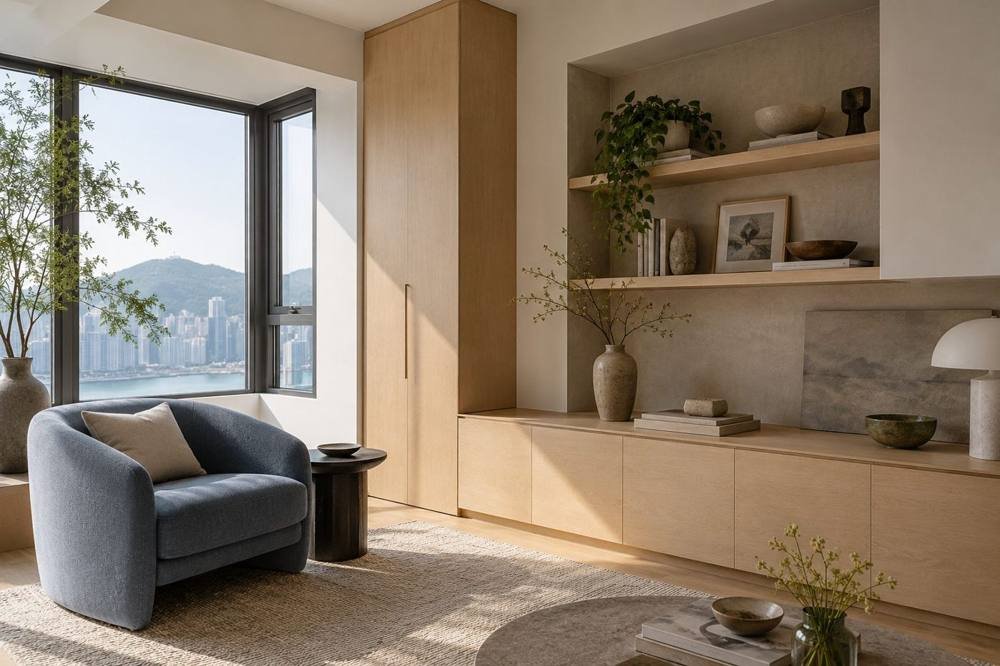
Closed cupboards conceal miscellaneous items; open shelves can hold selected everyday objects and collections. Not every wall needs to be filled. An empty stretch or lighter furniture can give visual space. Match display areas to cleaning habits; households wanting easier upkeep may prefer more closed storage.
Let storage change with life
Shelves, drawers and hanging space should reflect actual belongings rather than borrowed proportions. Adjustable areas accommodate future changes. Storage should give each item a sensible place that family members are willing to use, making daily organisation easier to maintain.