
Ask about habits before making assumptions
Older people's abilities, height and preferences differ. Walk through everyday routes together and ask about reaching, getting out of seats and night-time inconvenience. Considerate arrangements often begin with the person's own description, not assumptions based on age.
Keep routes clear
Furniture, doors and objects on the floor affect movement. Check frequent routes for cables, loose rugs and projecting corners, then discuss improvements. Where mobility aids or particular care needs are involved, invite relevant professionals to assess the individual requirements.
Keep everyday items within comfortable reach
Arrange cups, clothes, medicines and other essentials around actual use, avoiding frequent stretching or bending to suit cabinetry. Choose seats, supports and lighting for the person's abilities, product requirements and installation conditions, rather than appearance alone.
Keep the feeling of home
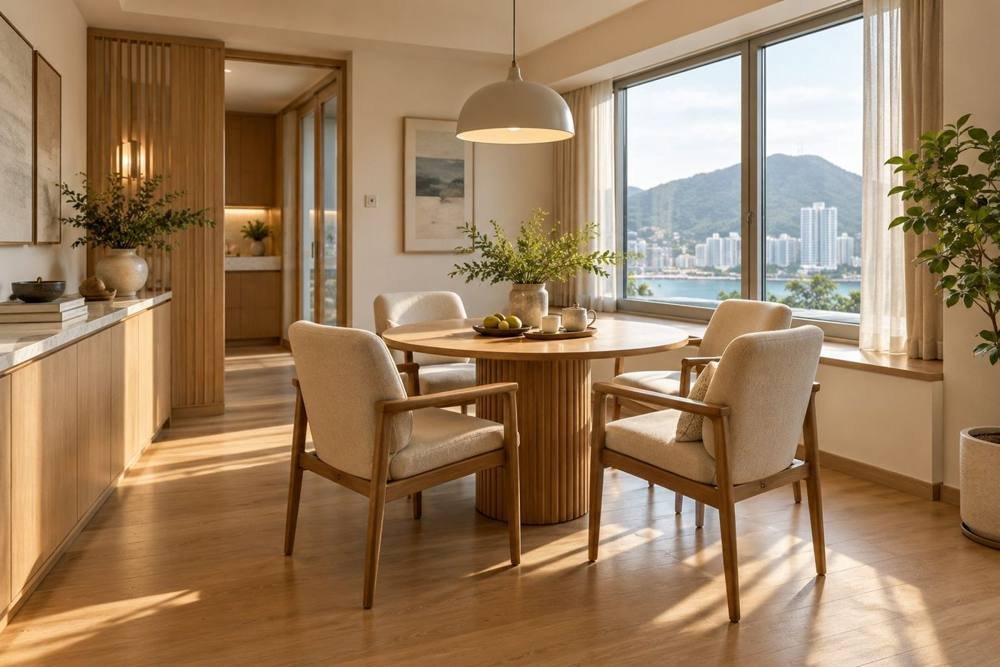
Warm timber, familiar collections and comfortable seating can integrate practical changes. Qualified professionals should confirm night lighting, bathrooms and supports where safety or care is involved. Design cannot guarantee fall prevention; respect each family member and make daily use clearer and more convenient.